 English



Product Introduction
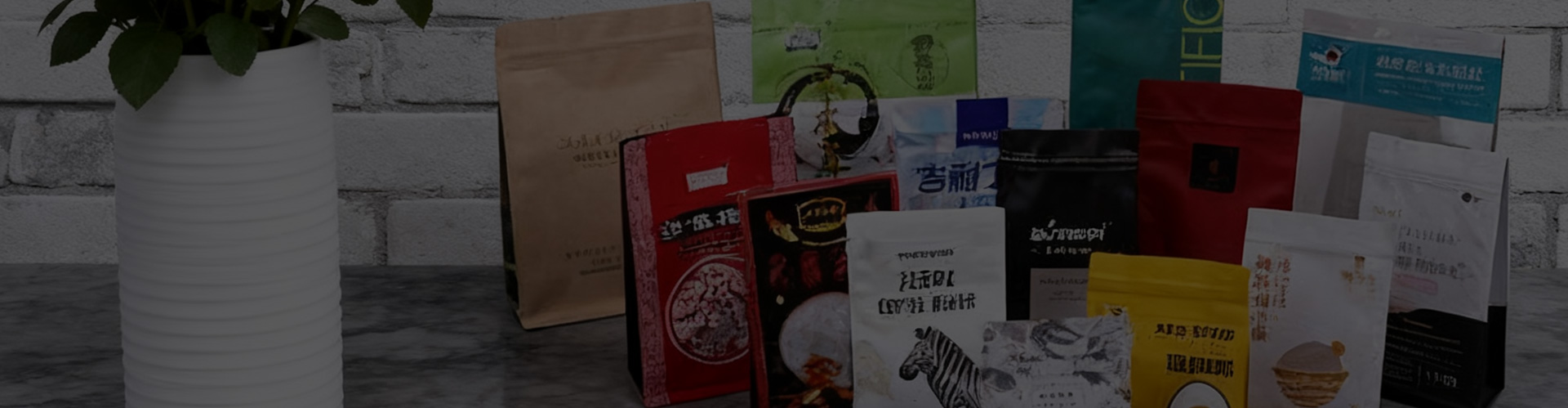
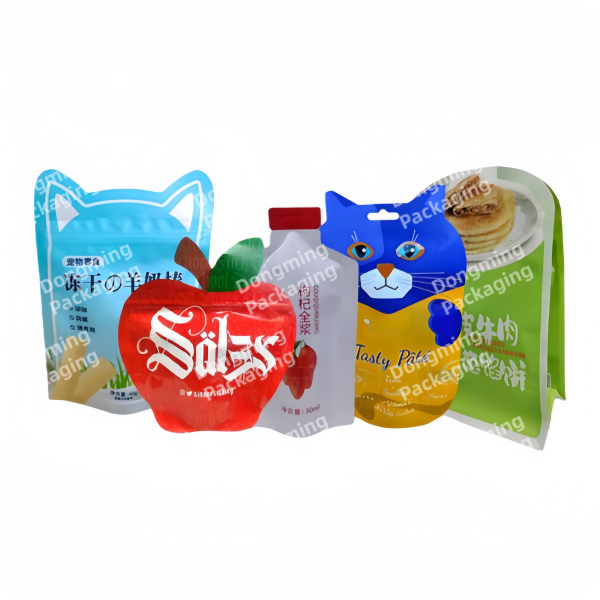
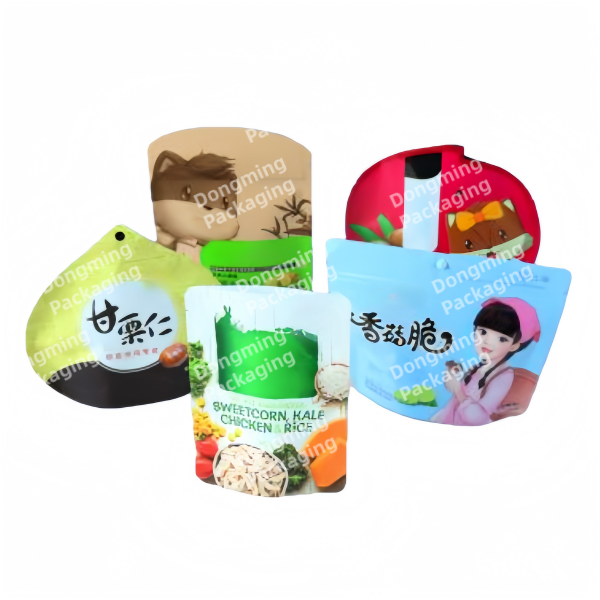
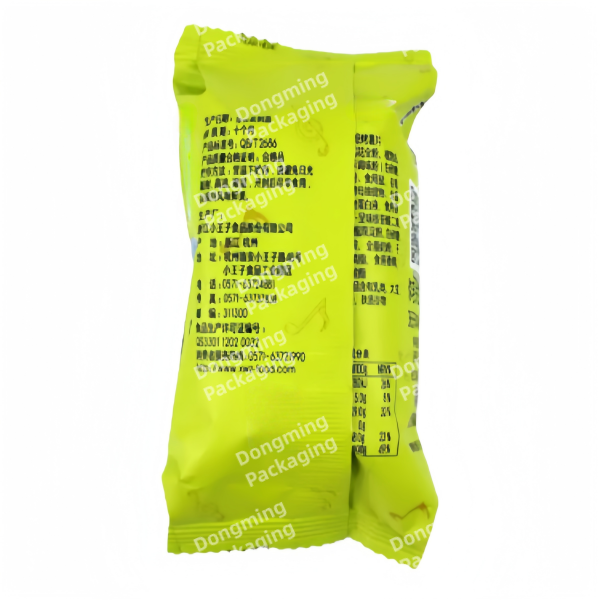
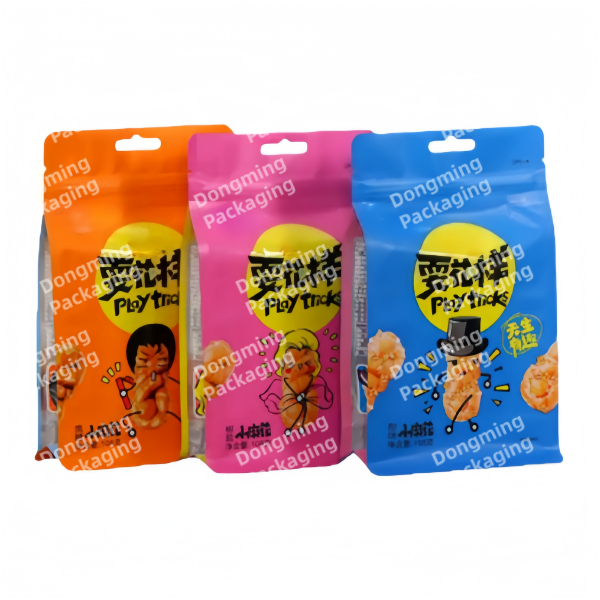
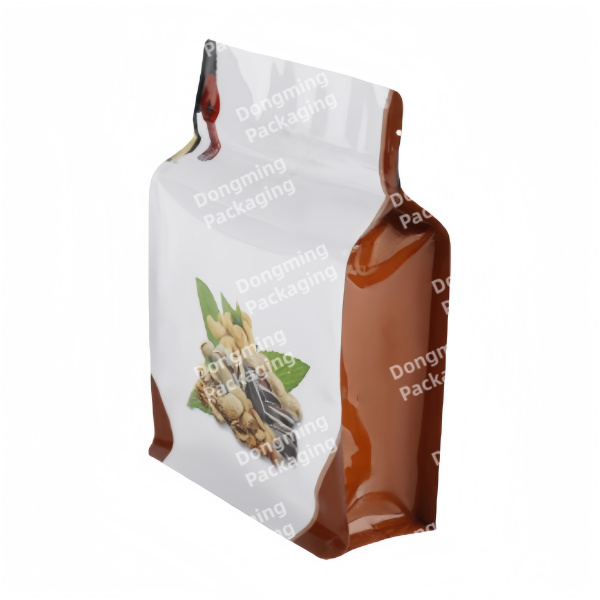
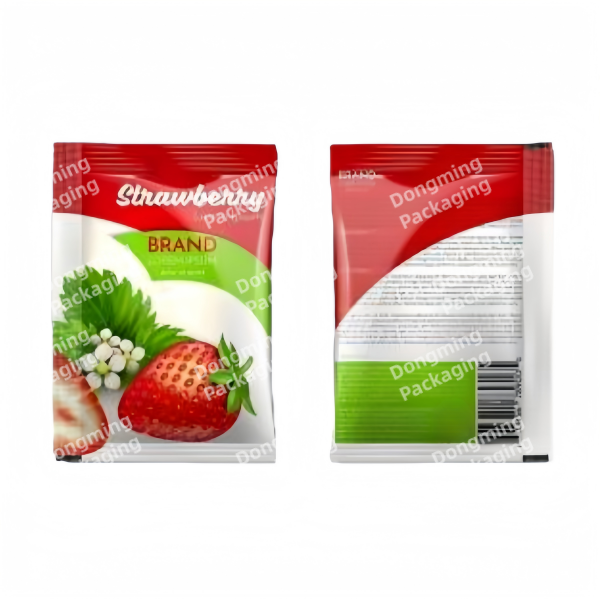
As consumers' demands for food quality and user experience increase, the design and materials of snack food packaging bags are constantly innovating. Different types of snack foods may have different packaging designs due to their varying characteristics, but all must ensure the taste and safety of the food.
Common types and materials of snack food packaging bags:
Plastic composite bags: These bags are commonly used for dry foods such as potato chips, biscuits, and candy. They effectively prevent moisture and oxidation.
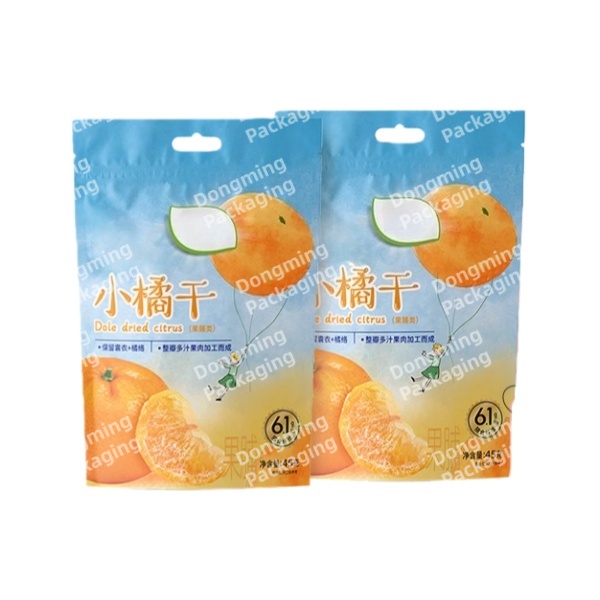
Aluminum foil bags: Used for light-sensitive and easily oxidized snack foods such as nuts, dried fruit, and coffee. Aluminum foil effectively isolates air and light, extending shelf life.
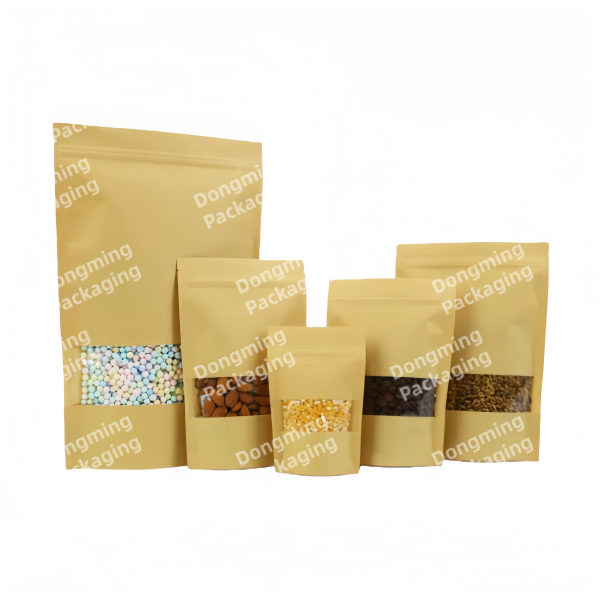
Paper bags: Sometimes used for packaging certain dry goods, such as small packages of nuts and dried fruit. Paper bags may have a thin film coated on the inner layer to prevent food from getting damp.
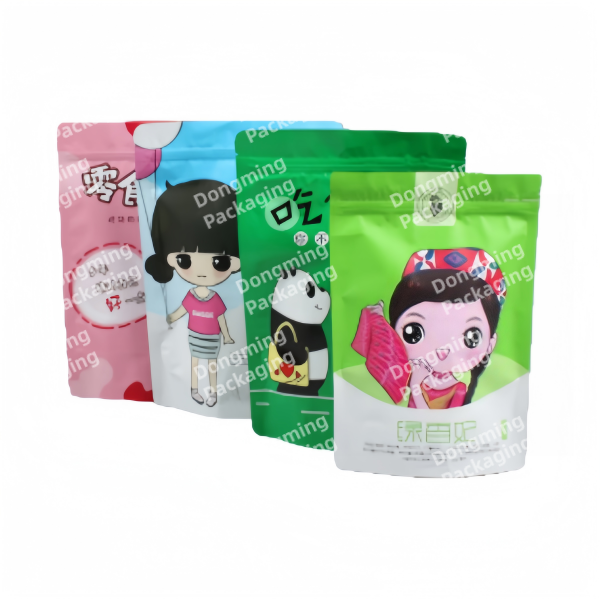
Stand-up pouches: This design is suitable for large-capacity packaging, such as family-sized potato chips or large bags of snacks, saving space and facilitating display.
Biodegradable plastic bags: More and more brands are starting to use biodegradable plastic bags or environmentally friendly materials to reduce their environmental impact.
The function of snack food packaging bags is not only to package and store food, but also to extend food freshness, protect product quality, improve ease of use, and attract consumers. Packaging bag design must consider the characteristics of the food, using suitable materials to prevent moisture, oxidation, and leakage, while also focusing on convenience, environmental friendliness, and visual appeal.